- Storage Tips
- Store below 30°C
- Dosage Type
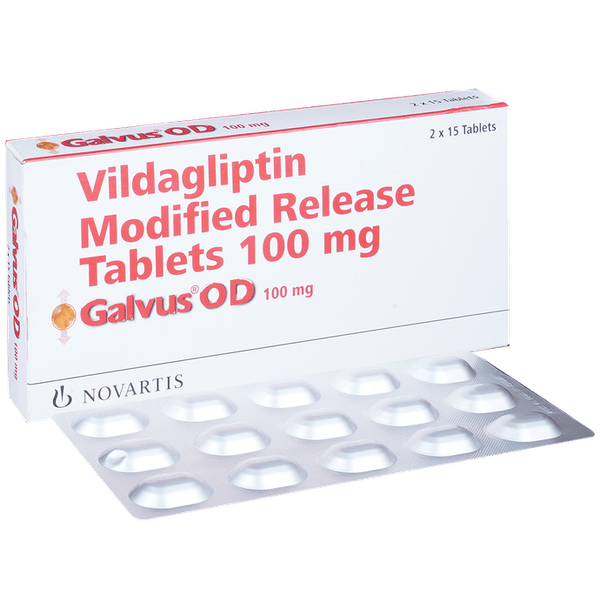
- Tablet
- Salt composition
- Vildagliptin (100 mg)
- Packaging
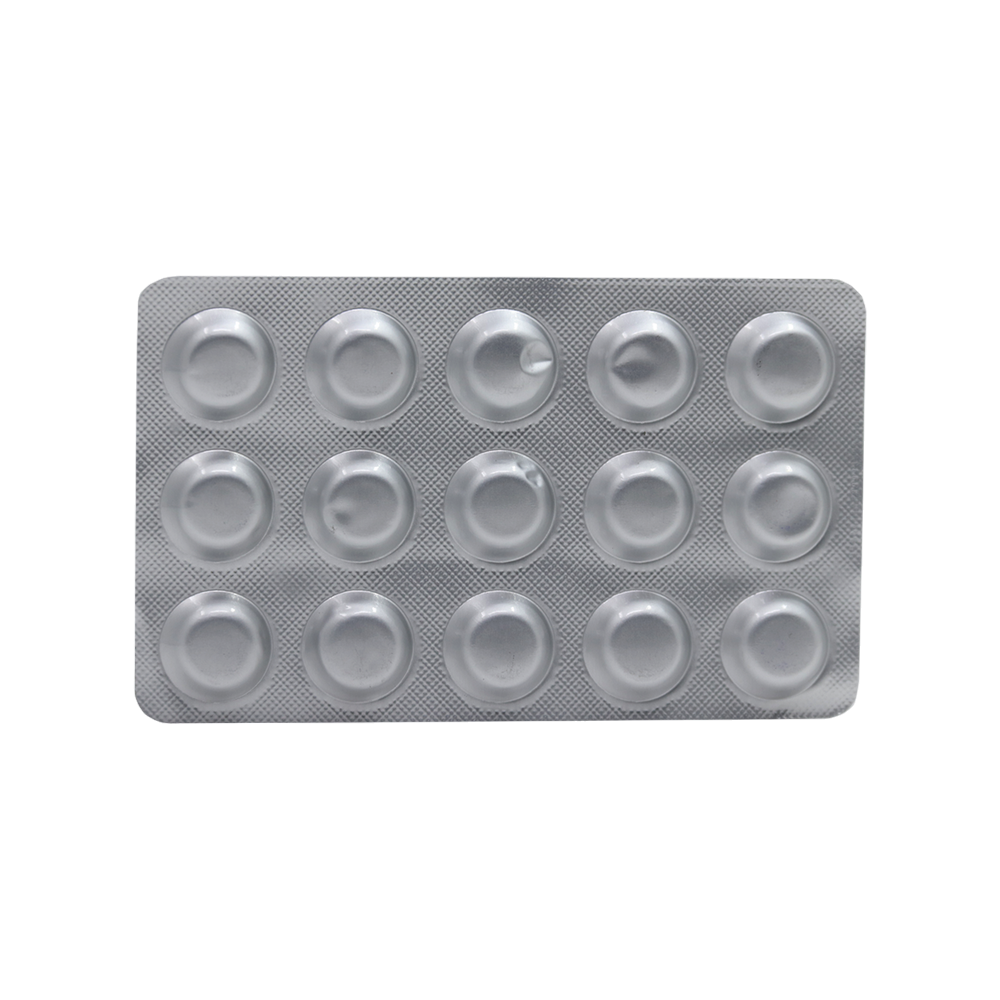
- Strip
- Safety Advice
- Pregnancy: Caution- You should not take Galvus OD 100 mg tablet during pregnancy. Limited information is available about its safety in pregnancy. This medicine should not be taken if you are pregnant unless your doctor considers it essential.
Breast feeding: Caution- It is advised not to breastfeed when you are taking Galvus OD 100 mg tablet as limited information is available on how this medicine can affect your baby. Consult a doctor, your doctor will tell you on the use of this medicine after assessing the benefits over risks.
Driving: Safe If Prescribed- There is limited information related to its effect on driving ability. However sometimes you may experience dizziness after taking this medicine. So it is advised to be careful while driving or operating machinery.
Alcohol: Caution- Galvus OD 100 mg tablet should not be consumed with alcohol as it affects the blood glucose levels. It can decrease or increase the blood sugar level depending on the quantity and frequency of alcohol consumption. It also interferes with the liver's activity.
- Side Effects
- Hypoglycemia (Low Blood Glucose Level), Tremors, Headache, Dizziness, Fatigue, Nausea
- Interaction with Drugs
- Drug: Disopyramide (Oral Route)
Description: If concurrent use is essential, watch out for symptoms such as confusion, headache, nausea, dizziness or faintness and consult your doctor if you experience them.
Concurrent use may increase the risk of low blood sugar levels. Elderly, malnourished, diabetic individuals and those with kidney and heart dysfunction are at higher risk.
Drug: Bortezomib (Injection Route)
Description: Your doctor may monitor blood glucose levels and adjust the dose, if required.
Concurrent use may impair diabetic control.
Drug: Fenfluramine (Oral Route)
Description: Your doctor may monitor your diabetic control closely and adjust the doses as per the observations.
Concurrent use may interfere with control over blood sugar.
Drug: Asenapine (Oral Route)
Description: If concurrent use is essential, your doctor may monitor your glucose levels frequently and adjust the doses as per the observations.
Concurrent use may increase the risk of high blood sugar levels.
Drug: Asparaginase (Injection Route)
Description: Your doctor may monitor your diabetic control closely and adjust the doses as per the observations.
Concurrent use may interfere with control over blood sugar.
- Uses
- For Management Of Type 2 Diabetes Mellitus


 −14%